Mustard
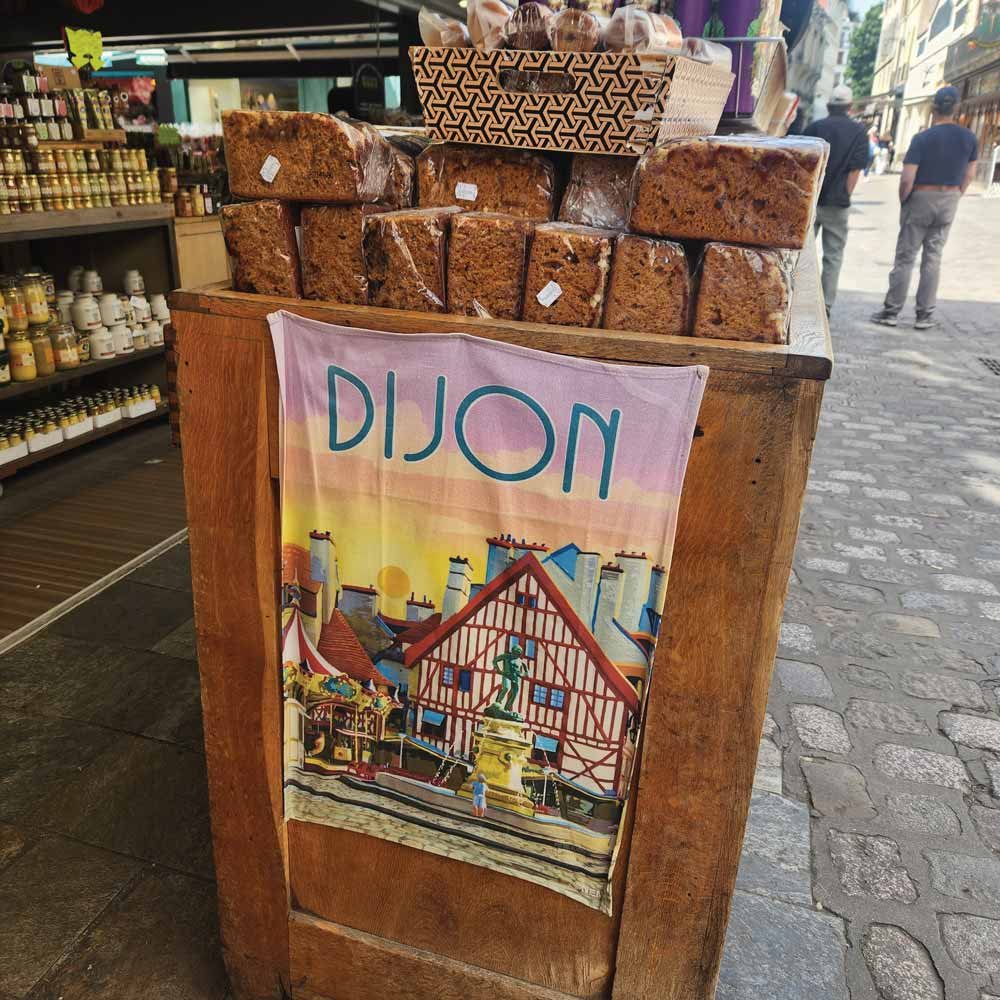
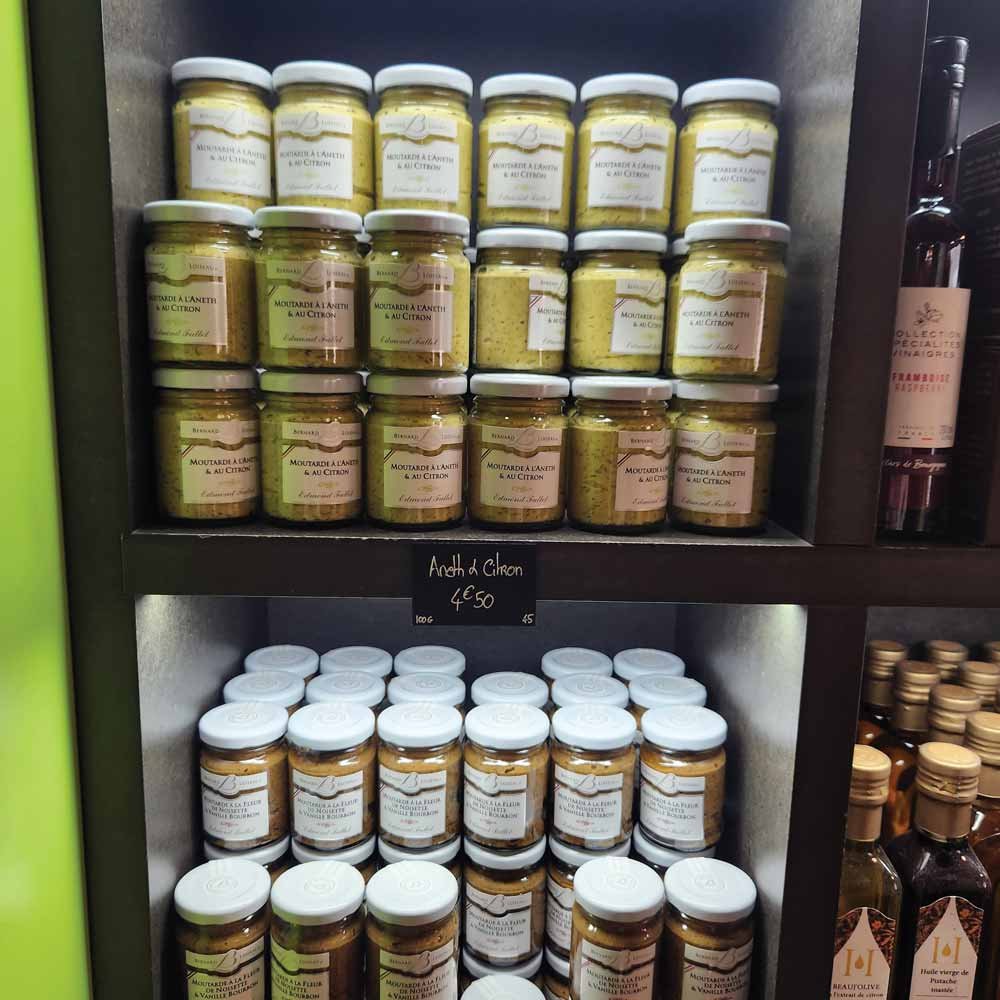
Dijon may be synonymous with mustard, but locals explain that the name refers to a recipe, not a place of origin. Over 80 percent of the seeds still come from western Canada, and Dijon mustard can legally be made anywhere. To reclaim its Burgundy roots, Moutard de Bourgogne requires locally grown mustard seeds and Burgundy white wine. La Moutarderie Edmond Fallot proudly meets these standards. Its lively boutique draws mustard lovers to its tastings, showcasing inventive flavours like cassis and truffle. The mill stone recalls the craft’s heritage, while the tasting bar recreates the old market ritual of porcelain pumps dispensing mustard into customers’ jars.
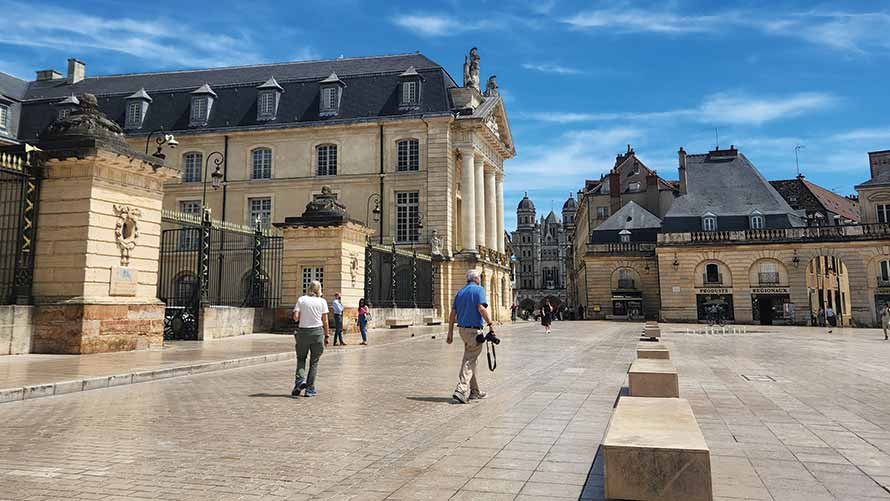
Walking along Rue de la Liberté, I arrived at Place de la Liberation, where the grand semi-circular plaza frames the stunning Palais des Ducs et des États de Bourgogne—the former palace complex of the Dukes of Burgundy. The site reflects the grandeur of Burgundy’s dukes, whose influence stretched across Europe from the 12th to the 15th centuries. Under Philippe le Bon (Phillip the Good), who ruled from 1419 to 1467, the duchy expanded across the Low Countries, and Dijon flourished as a centre of art and diplomacy.
The Museum of Fine Arts, founded in 1787, is part of the palace, and its lavish rooms display European art from the Middle Ages to the 20th century. In the Salle des Gardes there’s a stunning sight—the opulent tombs of the Dukes. Adjacent to the museum, at 11 Rue des Forges, is the tourist office, a good source of information as well as clear, well-illustrated brochures.
Wine Tasting in Dijon and beyond
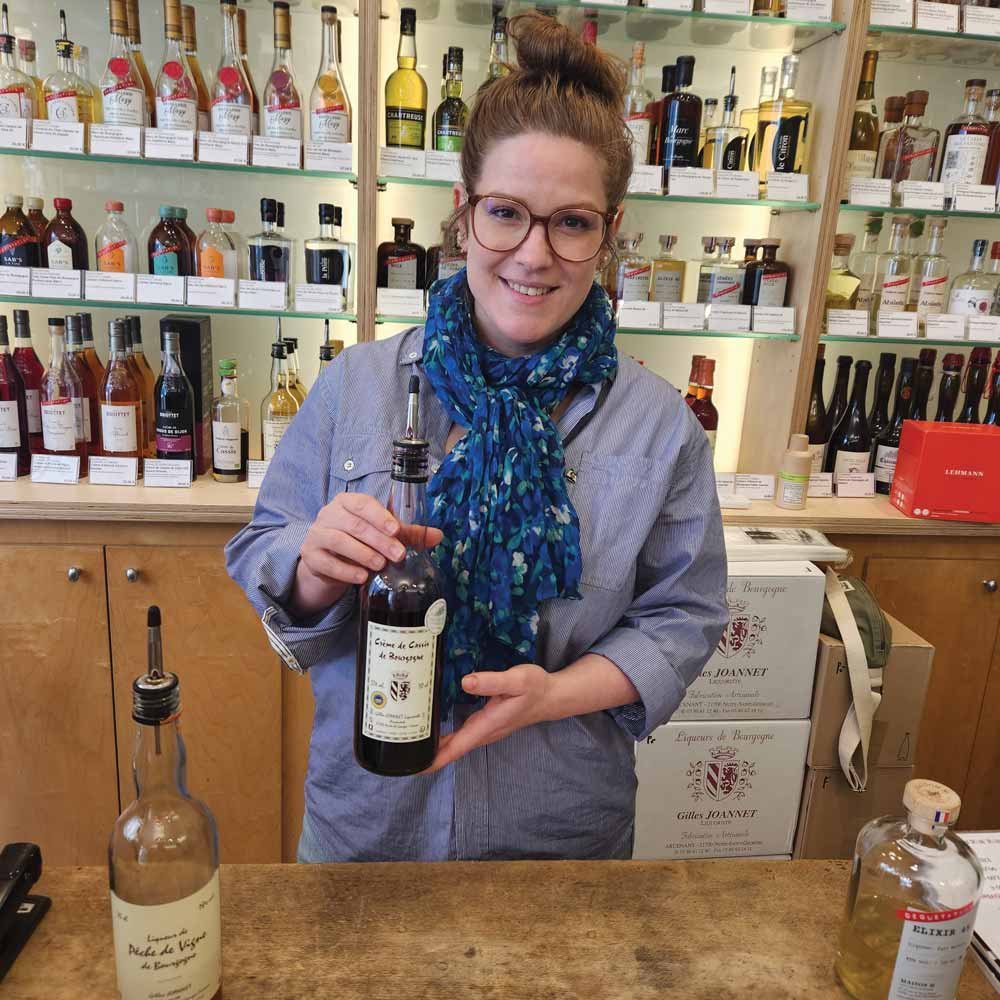
Dijon offers many opportunities to taste the wines that carry the renowned Burgundy name. Les Clos Vivants is a wine store where you can sample Burgundy wines as well as the local blackcurrant liqueur, crème de cassis. La Fine Heure offers tastings in its cave; it’s also a popular restaurant whose unpretentious décor and creative cuisine seems typical of Dijon.
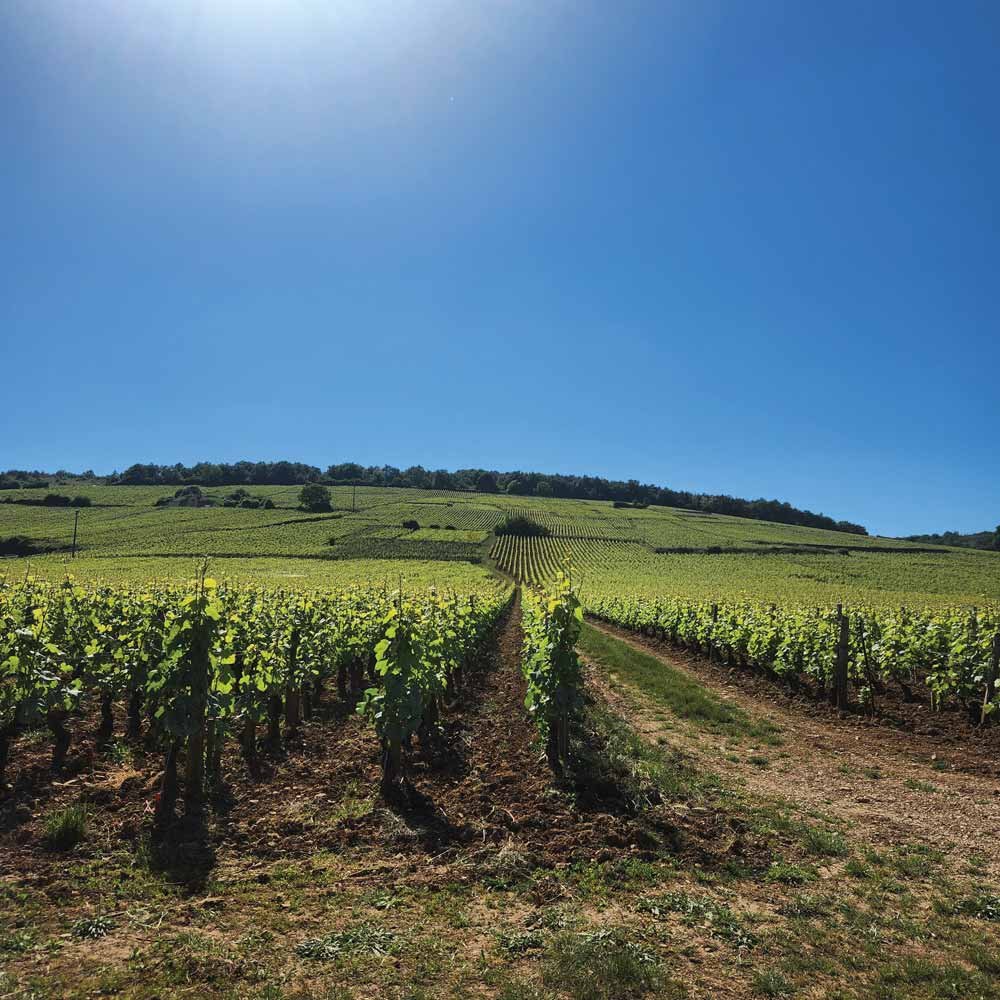
Dijon is the gateway to Route des Grand Crus, a string of vineyards carrying legendary names like Gevrey-Chambertin and Nuits-Saint-Georges. On my half-day guided trip, I learned that what is important is not the grapes—mostly chardonnay and pinot noir—but the climats, which are carefully defined vineyard parcels producing distinctive wines.
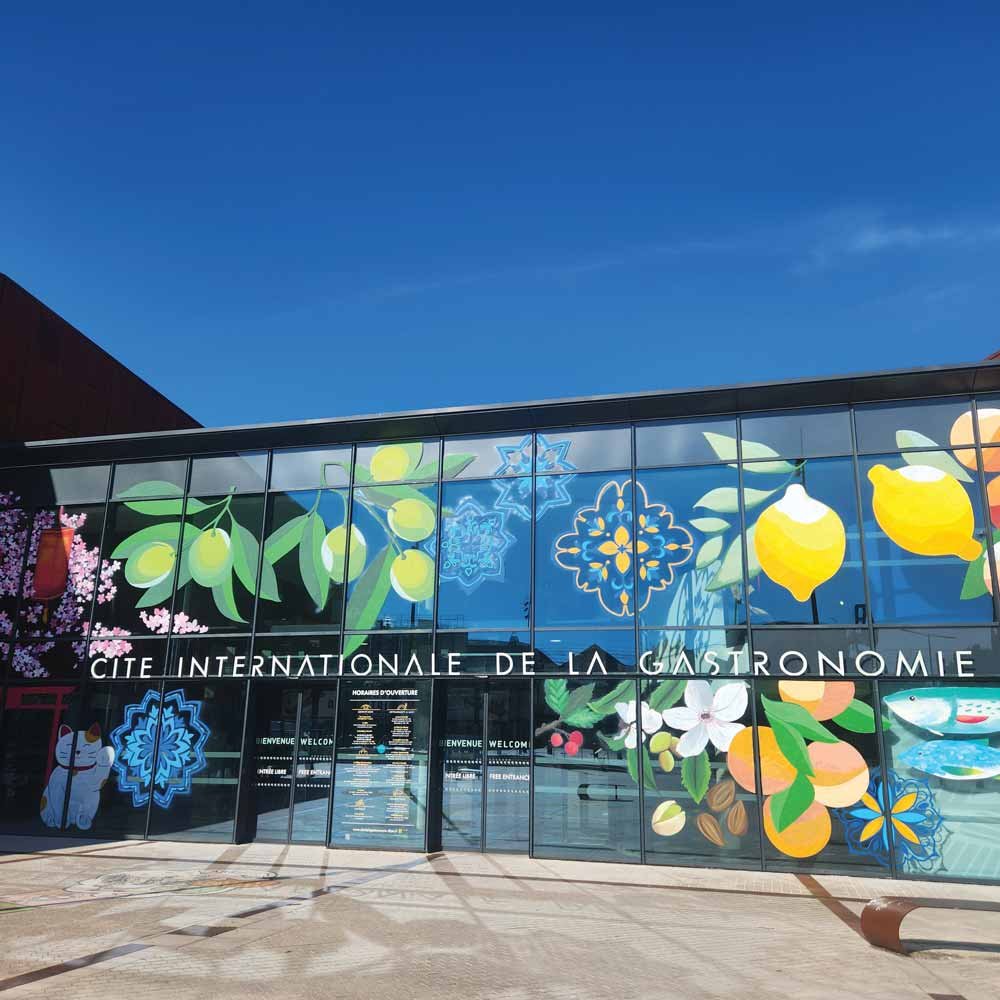
In Dijon you can also taste wine at the multi-space modern International City of Gastronomy and Wine. This huge showcase of food and wine lies just outside the historic core. You’ll find wine tasting courses and interactive exhibits, among them “The gastronomic meal of the French.”
The name fits Dijon perfectly.