CANADA
Canada’s High Arctic The Ultimate Adventure Tour
A return to Pond Inlet and the Arctic’s living floe edge, where wildlife, Inuit tradition and midnight sun collide
by Kevin SPREEKMEESTER
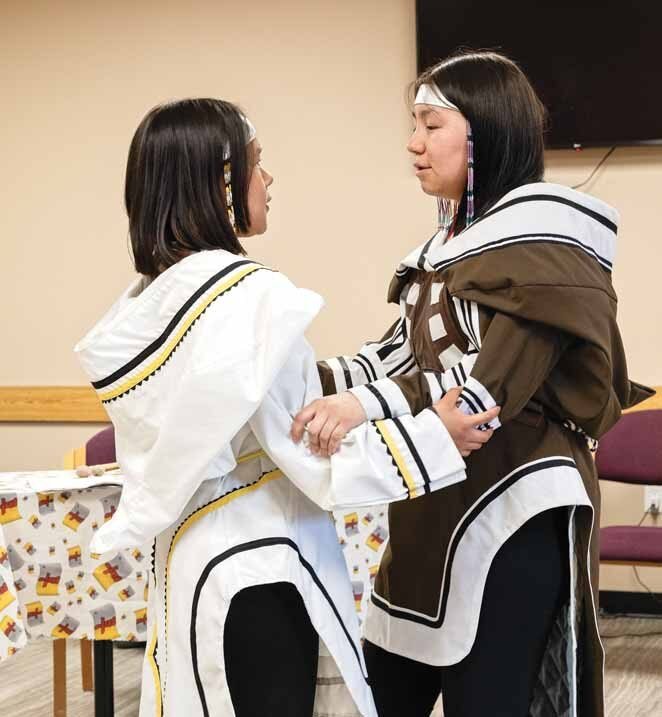
“Welcome to my home” calls a young boy, from the basketball court in the centre of the hamlet. “Welcome to Pond Inlet” calls a mom carrying her baby in the hood of her traditional jacket, called an Amouti, as she passes by. This sort of welcome and friendliness is the norm in one of the most isolated, northern communities in Canada.
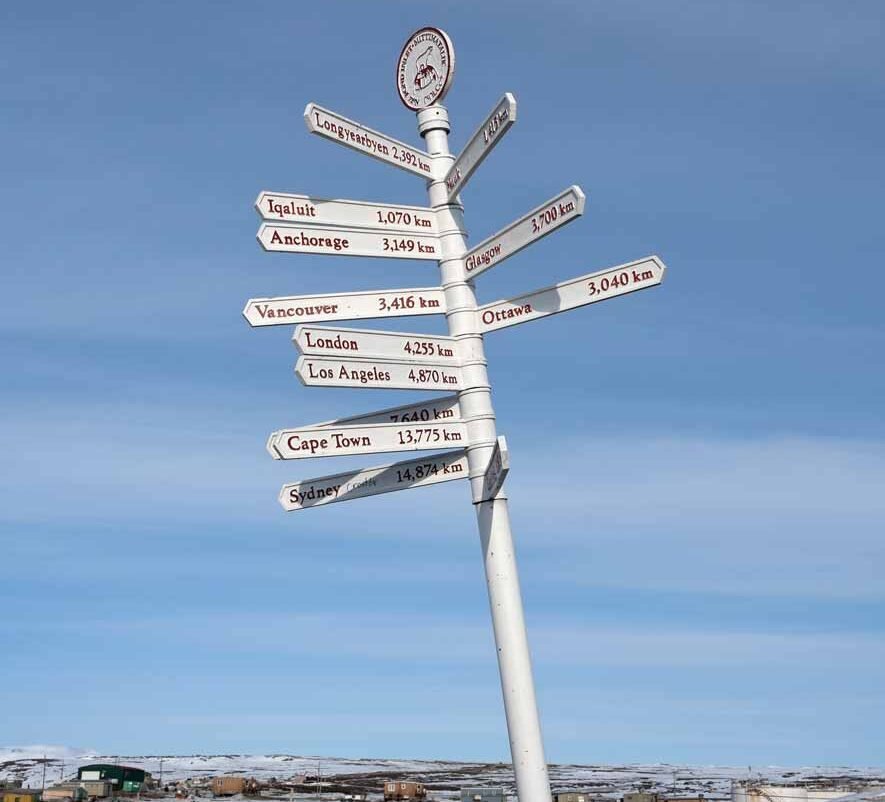
I’ve returned once again to the captivating community of Pond Inlet (Mittimatalik), home to approximately 1,600 residents. Situated on the north shore of Baffin Island, in Canada’s High Arctic, it’s one place I hope to never visit “for the last time.” After exploring every continent on Earth, experiencing the Amazon, African safaris, the Sahara and more, this is possibly the most exotic destination one can experience, and it’s right here in Nunavut, Canada.
Every year this community springs to life under 24 hours of glorious midnight sun. It’s payback for long, dark winters. It’s around midnight when I hear the laughter of children, and bicycles screeching to a stop on a dirt road. Peeling off my sleep mask to peer through my hotel window, I marvel at the pink hues of late-night sun that drench the landscape in a pastel cloak of otherworldliness.
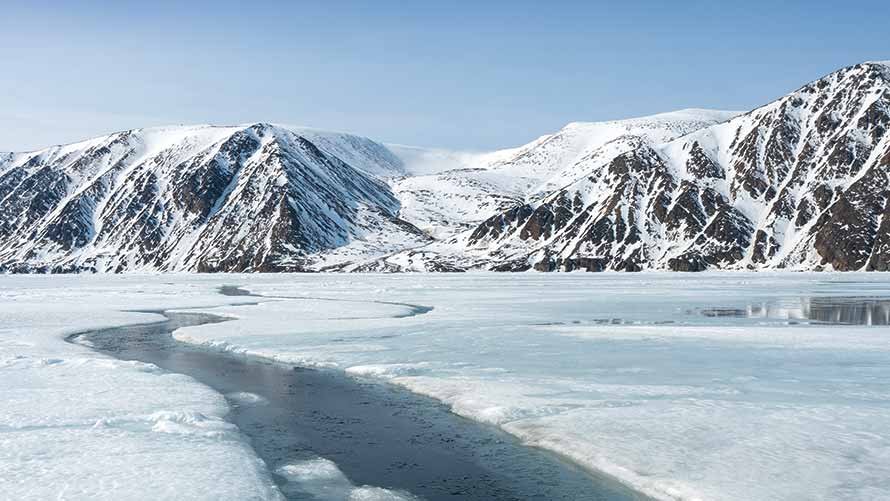
Locals take full advantage of the season to gather and travel roughly 70 kms to the floe edge to camp, or to hunt. It’s their cottage country, and my favourite, nature inspired adventure. Pond Inlet is the jumping off point to visit the floe edge, where winter’s sea ice meets the open waters of Baffin Bay, and where a confluence of marine life exists. Algae under the ice brings fish, fish bring seals, followed by whales, then Polar bears and sea birds. It’s a real time example of the food chain at work. I’ve joined a Black Feather tour, with my adult son Ben and seven other intrepid travellers to witness this gathering of wildlife set against the stunning Arctic landscape.

Our campsite for five nights is established a safe distance back from the shifting floe edge. Tents are supplied with cots, sleeping bags, and hot water bottles to keep us extra cozy at night. There’s a communal tent where we meet to share meals and discuss the marvels of our endless days. There’s a cook tent which is manned by the most resourceful chef, knocking out dishes that range from Eggs Benedict to fajitas. Not just good considering it’s cooked in a tent, on the Arctic ice, but good by any measure.
By day, we jump into qamutiiks, which are traditional Inuit sleds made ingeniously without a single nail, allowing them to flex without breaking as we travel over the bumpy sea ice, pulled behind Ski-Doos. Our party includes Inuit guides who we could not make the trek without, as their knowledge of the land, ice, sea and wildlife keeps us safe and informed. They are beyond generous with their time and knowledge, sharing stories about life in the north, its challenges and rewards. They love their home and cherish their relationship with nature. It’s inspiring.
For most of us, this is a time to re-center amidst a world of shimmering crystal white and a myriad of blues; a world where you feel only as significant as one should. This is a place where nature rules, rendering much of our southern savvy meaningless—a true adventure.
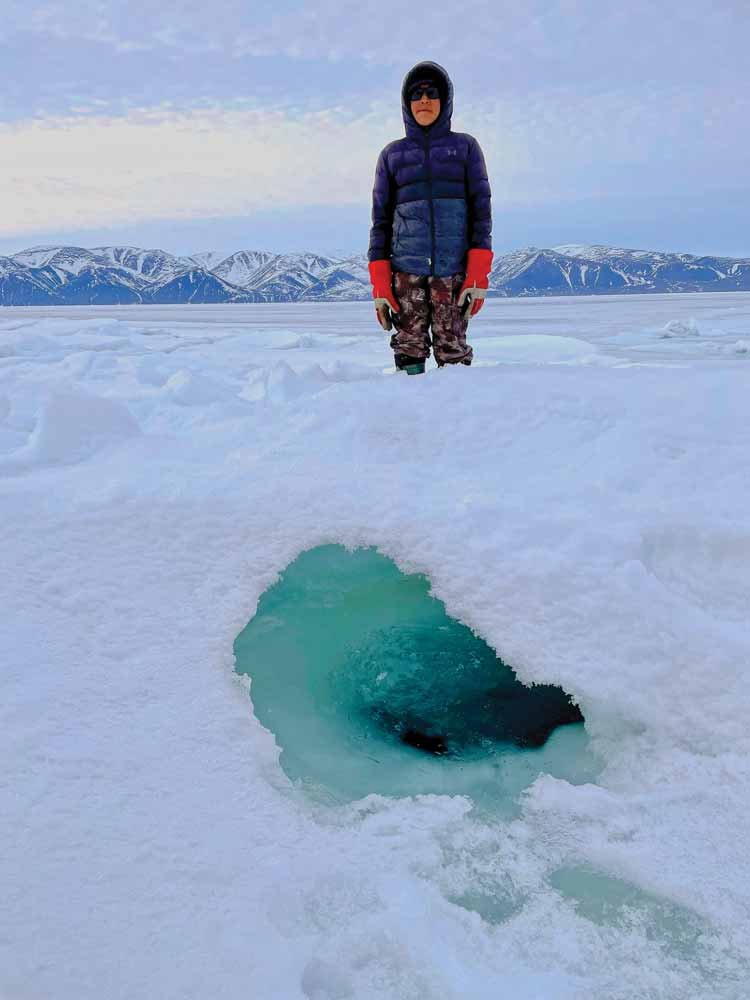
It’s hard to turn away from the mesmerizing mountains of Baffin Island to the south, and Bylot Island to the north. Yet we find the time to excitedly watch Narwhals dive under the ice, sea birds like Murres, Eider ducks, and Guillemots fly by, and seals stare us down as we approach, right until the last moment before diving to safety through their holes in the ice. The floe edge experience changes day to day and year to year. Nature never duplicates itself. And it never lets me down.
Travel Planner
For air travel north and into Pond Inlet, see canadiannorth.com. When visiting the floe edge, I worked with blackfeather.com. They have a history of safe operations, environmental concern and respectful collaboration with the Inuit. For travel information about Canada’s North, visit travelnunavut.ca.