Türkiye
Türkiye Between Worlds
Fly in comfort to explore İstanbul’s timeless skyline and Konya’s ancient heart, where archaeology, spirituality and open horizons redefine sensory travel
By Ilona Kauremszky
Somewhere 35,000 feet above the Atlantic, a silver tray trolley service helmed by a white hatted “Flying Chef” on Turkish Airlines arrives seat side. A tapas show of Turkish delights soon unfolds revealing salt-roasted pistachios, steamy warm pita, pickled olives, creamy wedges of Anatolian cheeses, and jewel-toned mezzes. The aromas are sublime.
Did I mention my Denon noise-cancelling headset matches my fluffy inflight slippers as I recline in a lie-flat seat so spacious, it has a personal storage box for my travel bric-a-brac, like my complimentary Lanvin amenity kit. On this long-haul direct flight enroute to a country that straddles continents and centuries, I’m immersed in a business class lifestyle that offers an exceptional 3-day stopover in İstanbul, making it easy to linger.
Last year, after a busy year in travel, Türkiye was calling me. This Europe-meets-Asia nation, where East meets West, where cultural traditions date back centuries, is where two fascinating cities: İstanbul and Konya, offer an ideal itinerary for culturally curious travellers.
In December, the visitor numbers thin and the air is brisk enough to sharpen the appetite, creating favourable conditions for sensory travel. An evolving travel trend in 2026, sensory journeys are meant to focus attention on all senses and to remove digital fatigue. And so it begins.
At dawn, the adhan—the Islamic call to prayer—rises over the minarets of İstanbul. I awake at the Galata Istanbul Hotel MGallery, a boutique perch near the Golden Horn. Downstairs, a 300-year-old hammam readies its marble belly for steam rituals. Upstairs, breakfast dazzles with an organic honey station and local delicacies that taste like Anatolian sunshine. Sensory travel? Yes.
History crowds the cobblestones. The former Hippodrome—today’s Sultanahmet Square—once thundered with Byzantine chariot races. Across the way, the mighty Hagia Sophia (Ayasofya), the 6th-century Byzantine basilica turned mosque, glows beneath its vast dome. Steps away, the Hagia History and Experience Museum uses digital installations for storytelling, a reminder that innovation predates the smartphone.
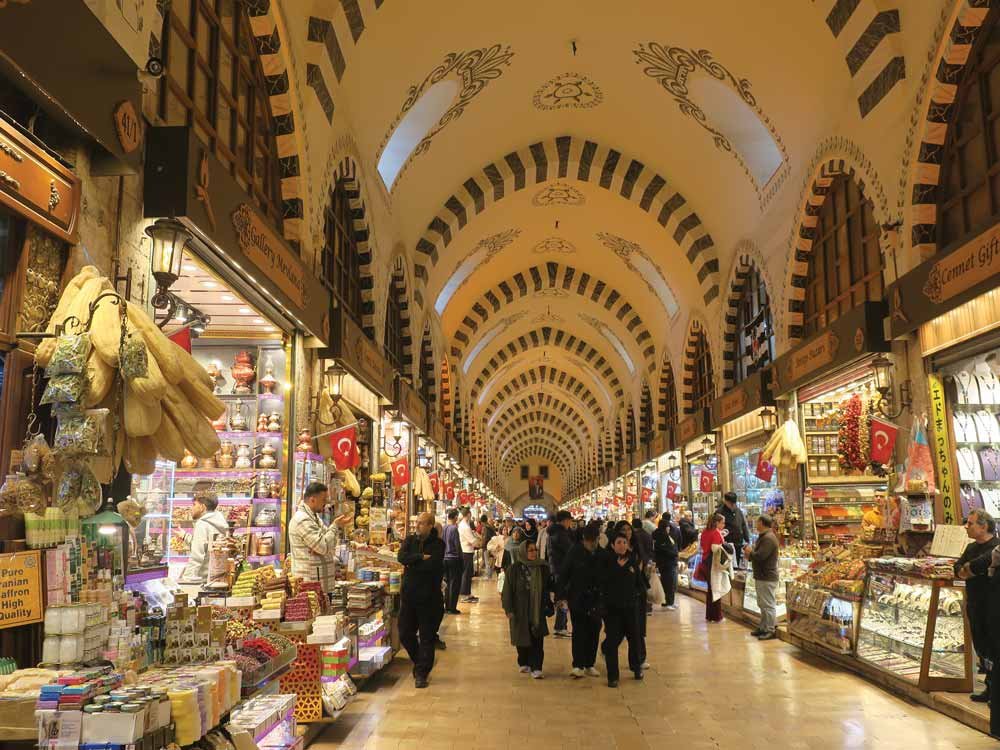
Inside the Blue Mosque, more than 20,000 handmade İznik tiles shimmer in blue floral motifs. Beneath the streets, the 6th-century Basilica Cistern stands on 336 marble columns, two carved with enigmatic Medusa heads repurposed from earlier Roman structures. I graze my way through the Spice Bazaar’s saffron-scented corridors, sip thick Turkish coffee, and wander the 15th-century Grand Bazaar—one of the world’s oldest and largest covered markets with over 4,000 shops.
Dinner unfolds at Muutto Tapas Bar at Galataport, a stylish waterfront promenade along the Bosphorus. Ferries crisscross the strait dividing Europe and Asia as seabirds skim the currents.
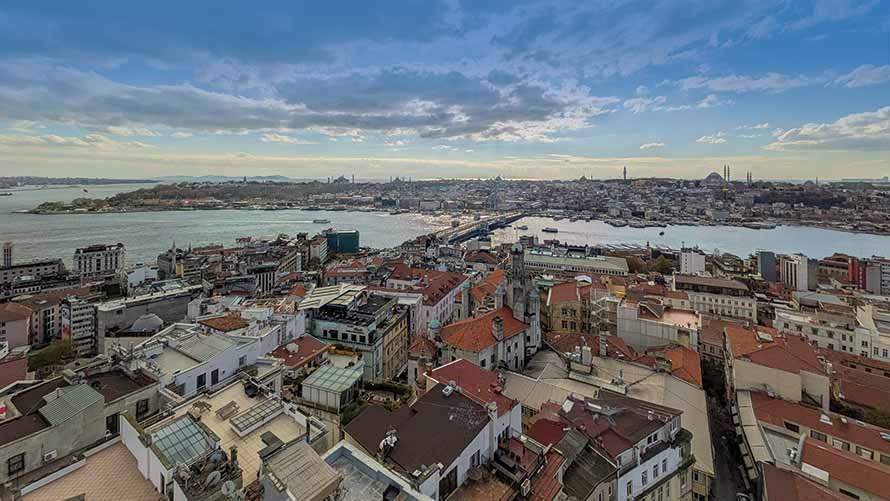
The next morning, I climb the medieval Galata Tower, built by the Genoese in 1348. From its balcony, İstanbul unfurls in domes and minarets. İstiklal Avenue bustles with bakeries and bookstores. In St. Anthony of Padua Church, the largest Catholic church in the city, candles flicker beneath neo-Gothic arches.
And then I’m off to Taksim Square for lunch at the city’s cultural epicentre: the futuristic Atatürk Cultural Centre, home to the Biz İstanbul Restaurant. Sun streaks the white linen tabletop adorned with a sculpted asparagus tartlet, followed by more tasty plates. The foodie finale is a trio of gooey chocolate drizzled profiteroles dusted in pistachio.
If İstanbul is a palimpsest, Konya is a meditation. A short, seamless one-hour flight shifts the energy completely.
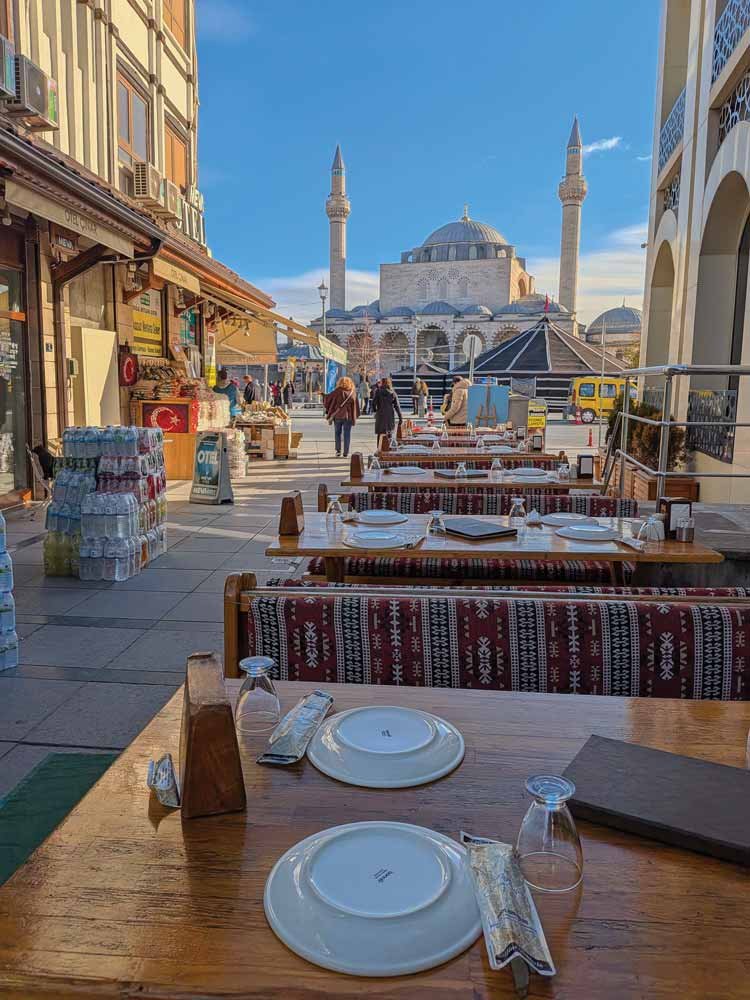
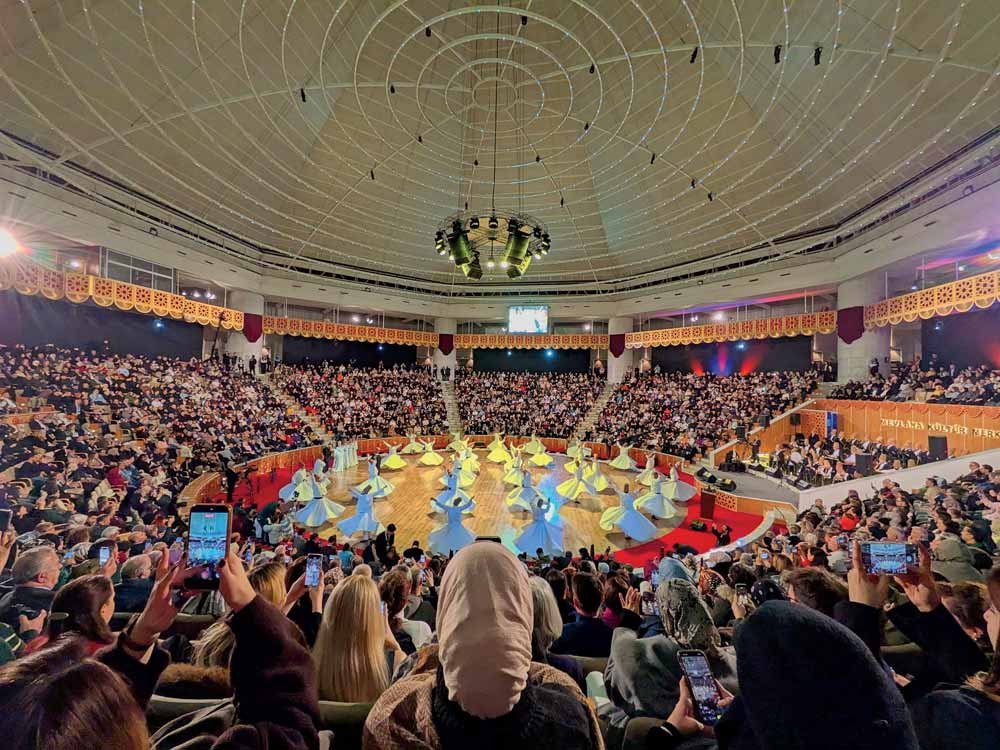
Located in Central Anatolia, Konya is widely regarded as the spiritual heart of Anatolia and the historic centre of the Mevlevi Sufi order. Spiritual seekers arrive year-round, but especially in December for the Şeb-i Arus festival. The 10-day commemoration honours the death anniversary of the 13th-century Sufi mystic and poet Mevlana Rumi, who lived and taught in Konya. Families and groups flutter through the Konya Tropical Butterfly Garden—Europe’s largest butterfly centre. Archaeology enthusiasts, on the other hand, head to Çatalhöyük near Çumra on Konya’s outskirts.
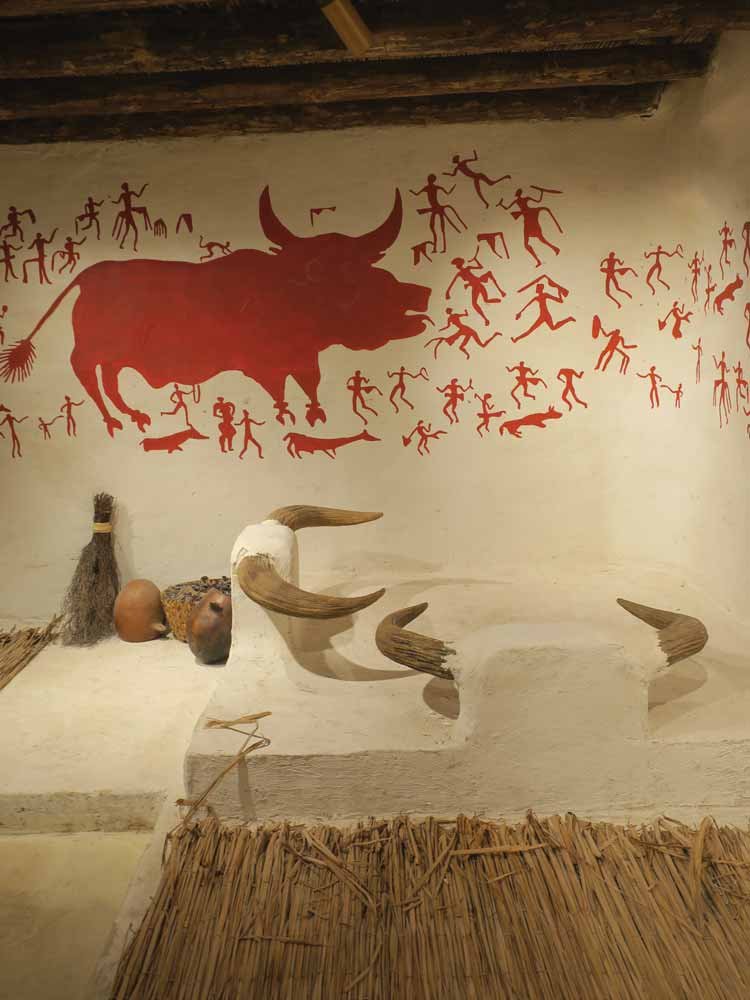
Around these parts, the land stretches spare and wide. Türkiye’s Ministry of Culture and Tourism currently has over 700 active archaeological excavations, making it one of the world’s most dynamic research landscapes. At Çatalhöyük, there’s a new visitor centre at this 9,000-year-old UNESCO World Heritage Site. The Neolithic settlement is where you’ll find what many consider the world’s first city. Up to 10,000 people lived over 2,000 years as farmers and craftspeople. Excavations have revealed wall paintings, clay figurines (some of female forms), and tightly packed mud-brick houses entered by rooftop ladders. There were no streets. Life unfolded above and within. Burials lay where families lived and slept. Scholars debate the social structure, but the site’s density and artistry suggest a complex community negotiating belief and survival on a stark Anatolian plain.
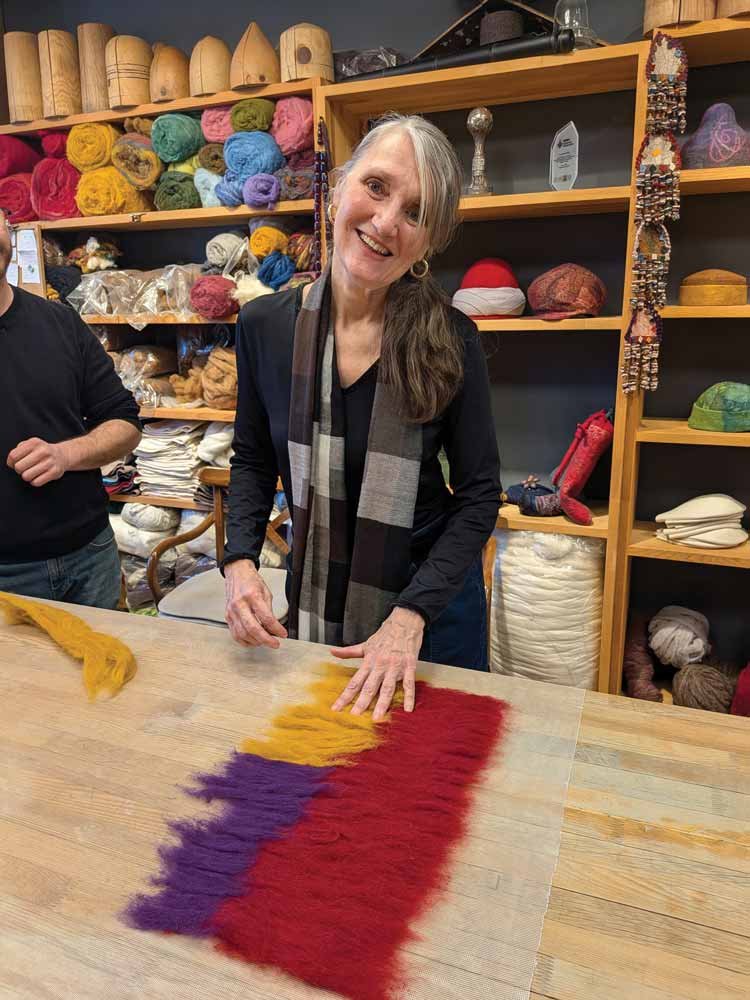
My days turn tactile. In a felt workshop, I learn how nomadic Turkic tribes transformed wool from fat-tailed sheep into weather-proof fabric once prized by sultans. The craft endures. Even King Charles III (then a prince) was presented with a tall felt hat (sikke) by a master artisan, a small diplomatic gesture spun from sheep’s fleece and centuries of know-how. My own hands work the fibres with soap and water, pressing and rolling. It is humble alchemy.
In an ebru (paper marbling) studio, pigments float atop a bath of thickened water. With a slender stylus, I guide colour into swirling galaxies before pressing paper to the surface. Each marbled sheet is a meditation in motion.
The final sensory experience occurs at the Sema ceremony. Part of the Şeb-i Arus commemoration, the “wedding night” marks the death anniversary of the mystic poet Rumi. Earlier, I paid respects at the Mevlana Museum, where his sarcophagus rests beneath a green-topped dome that seems to inhale and exhale with the faithful who file past.
In Türkiye, the past is present. From the hiss of steam in a centuries-old hammam to the stillness beneath a Neolithic roof, from the spice-saturated markets of İstanbul to the whirling dervishes of Konya, the journey invites you to taste more carefully, listen more closely, and look longer.
When my return flight lifts into the sky, I carry the echo of the adhan at dawn and the soft resistance of felt under pressure. Türkiye does not merely show you its wonders it lets you feel them with a generosity that lingers long after the wheels leave the runway.
More Stays to Play
Experience lesser known hubs of Türkiye when you book flights with Turkish Airlines. I flew to Konya in central Anatolia and snagged additional days in İstanbul. With the Turkish Airlines Stopover Program, travellers departing from Montréal, Toronto, or Vancouver can enjoy a complimentary hotel stay in İstanbul to connecting international destinations. Guests booking economy class seats receive a two-night stay, while business class guests receive a three-night stay at a premium airline partner hotel. The stopover program is subject to availability. For full details, visit turkishairlines.com
Travel Planner
For travel information about Türkiye, visit goturkiye.com