MALTA
Where Empires Met the Sea
In Malta’s Grand Harbour, Knights, Culture and Cuisine Shape a Timeless Mediterranean Story
By ILONA KAUREMSZKY
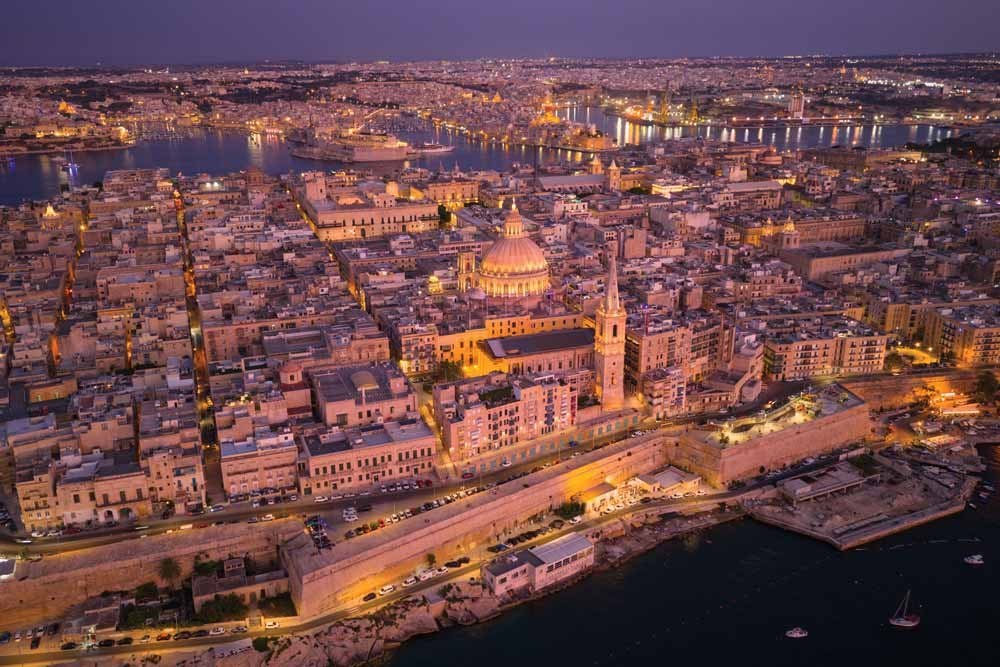
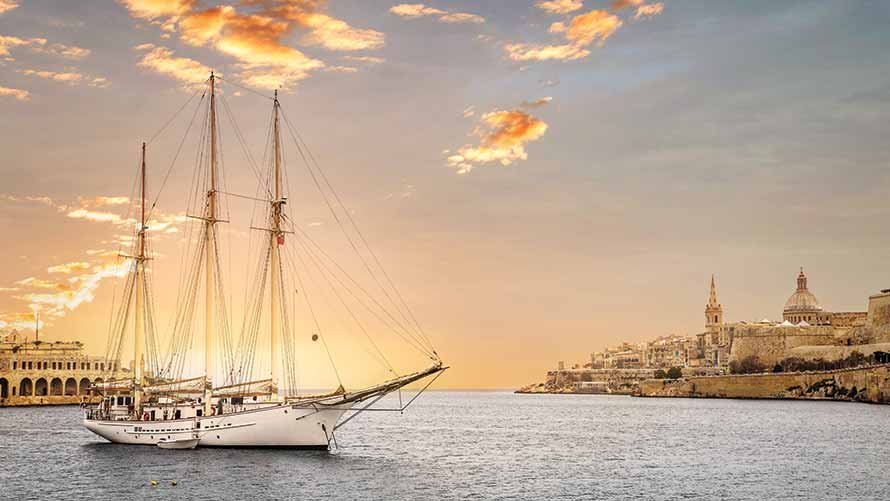
Stand along the bastions of Valletta and you’ll understand instantly why empires coveted this island. Church bells ripple across honey-coloured limestone while the Grand Harbour glistens in a thousand shades of Mediterranean blue. Below, fishing boats sway beside sleek yachts and harbour ferries trace gentle arcs across the water.
Across the inlet, the historic waterfront cities of Birgu, Senglea and Cospicua, collectively known as the Three Cities, emerge like vigilant keepers of sea legends.
But Malta isn’t just a single island. This sun-drenched Mediterranean archipelago roughly 80 kilometres south of Sicily comprises three main inhabited islands—Malta, Gozo and Comino—along with smaller uninhabited islets scattered across the sea like stepping stones.
Together they form one of Europe’s smallest nations yet one of its richest in history. Pause here long enough and you’ll feel the pulse of that past. Phoenician traders once sailed these waters. Crusading knights fortified these shores. European empires fought to control this strategic Mediterranean crossroads.
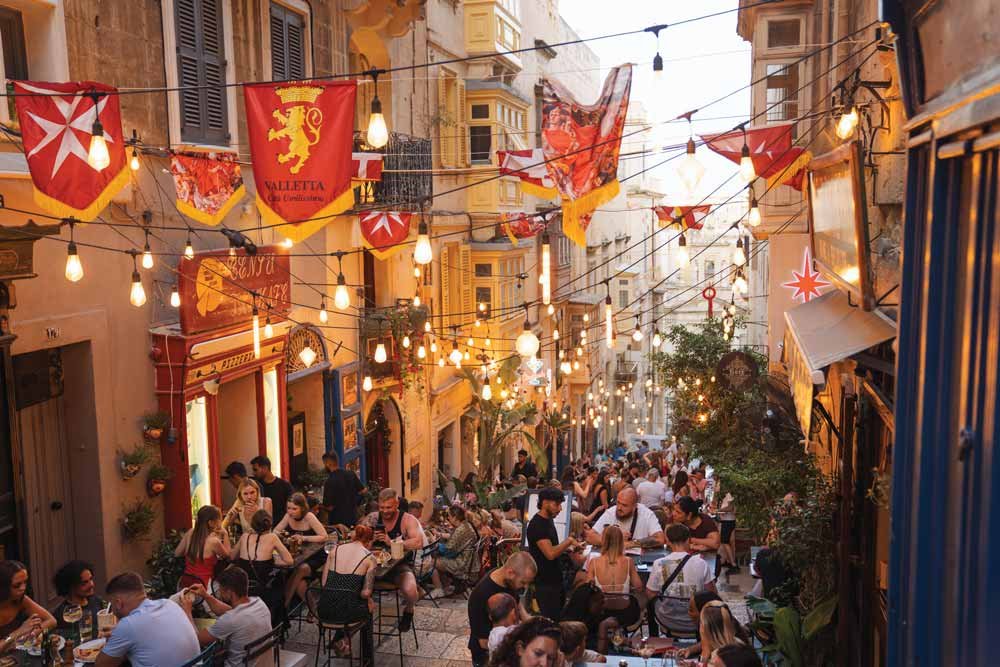
Today, the Grand Harbour trades cannon smoke for café culture. Fortress walls frame buzzing promenades. Summer festivals ignite the night sky with fireworks. And along marina terraces, chefs plate seafood so fresh it tastes like it leapt straight from the sea.
Welcome to Malta—where ancient empires meet modern Mediterranean pleasures and every harbour view tells a story.
The Harbour That Shaped an Empire
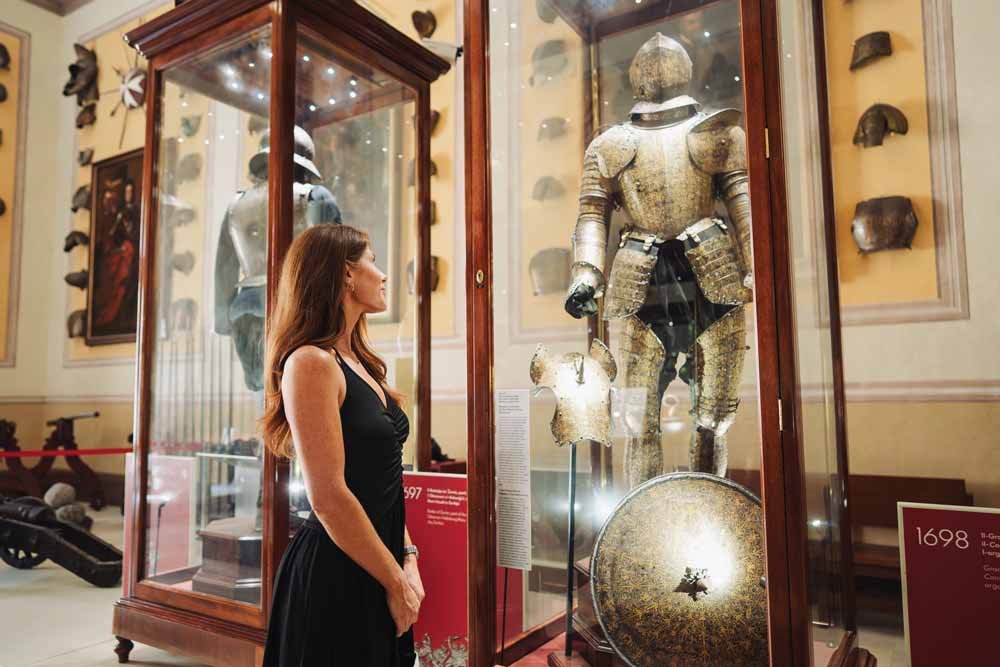
Malta’s position between southern Europe and North Africa made it one of the Mediterranean’s most prized naval posts. Yet its defining chapter began in 1530 when the Knights of St. John were granted the island by Emperor Charles V.
To truly grasp the magnitude of their legacy, start at Fort St. Angelo. This formidable limestone fortress crowns the tip of Birgu like a stone sentinel guarding the harbour entrance. From its ramparts you can gaze across the Grand Harbour and imagine the drama of the Great Siege of 1565, when Ottoman forces attempted to seize the island.
The Knights held firm. Their victory reshaped the balance of power in the Mediterranean Sea and sparked the creation of the new capital city of Valletta. Built atop the Sciberras Peninsula, Valletta was among Europe’s earliest planned Renaissance cities. The Knights designed its orderly street grid pattern with beauty and defence in mind.
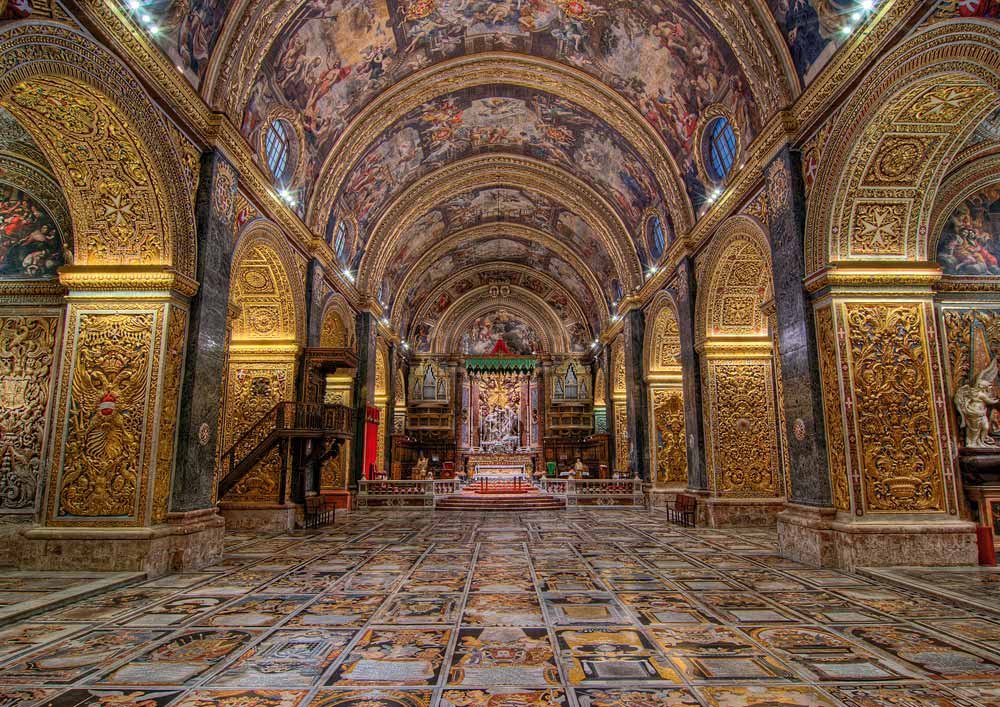
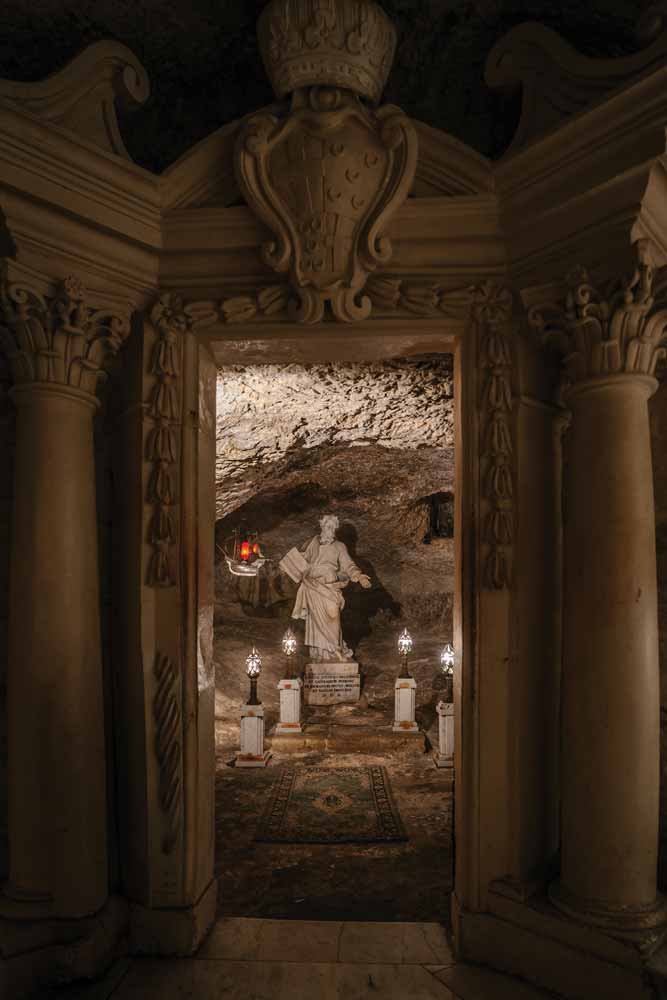
Today, those same streets of this UNESCO World Heritage Site invite you to wander past the narrow lanes where balconies spill with bougainvillea while sandstone palaces glow in the Mediterranean sun. One of Valletta’s greatest treasures waits behind an understated façade. Step inside St. John’s Co-Cathedral and the interior explodes with Baroque splendour—gilded carvings, marble tombs of knights and priceless artworks including Caravaggio’s haunting masterpiece, The Beheading of Saint John the Baptist.
Living Culture Along the Waterfront
While history frames the harbour, Malta’s living culture animates it. On warm summer evenings, the waterfront transforms into a vibrant social stage. Families stroll along the promenade while café tables fill with animated conversations. Street musicians perform beneath wrought-iron balconies and the scent of espresso drifts through the air.
Cultural festivals amplify the atmosphere. During the Malta International Arts Festival, historic courtyards and plazas host theatre, dance and music performances beneath the stars. Weeks later, the Malta Jazz Festival fills the harbour with smooth rhythms that mingle with sea breezes as international musicians perform.
Yet, Malta’s most beloved celebrations are its traditional village festas. Throughout summer, neighbourhood squares erupt with colour and music. Brass bands march through slender streets draped in banners. Religious statues are paraded through town squares culminating in a grand fireworks extravaganza.
A Mediterranean Table by the Sea
By evening the harbour’s greatest pleasure reveals itself—the table. Malta’s culinary identity is inseparable from the sea. Fishing boats depart before sunrise and return with the daily catch, shaping menus across the islands. Traditional dishes reflect this maritime heritage. Start with aljotta, a fragrant fish soup brightened with garlic and herbs. Try lampuki pie, a flaky pastry filled with seasonal dorado that’s akin to Mahi-Mahi fish. Or savour fenek, the nation’s beloved rabbit stew slow-braised in wine and aromatics.
The dining scene has evolved far beyond rustic comfort food. The MICHELIN Guide now recognizes dozens of restaurants across the islands, confirming Malta’s growing reputation as a rising culinary destination. For contemporary Maltese cuisine, reserve a table at Noni, a MICHELIN-starred restaurant tucked along Valletta’s atmospheric lanes where chefs reinterpret local ingredients through refined tasting menus. Across the harbour in Birgu, Terrone pairs creative Mediterranean cuisine with sweeping marina views and a coveted Bib Gourmand distinction.
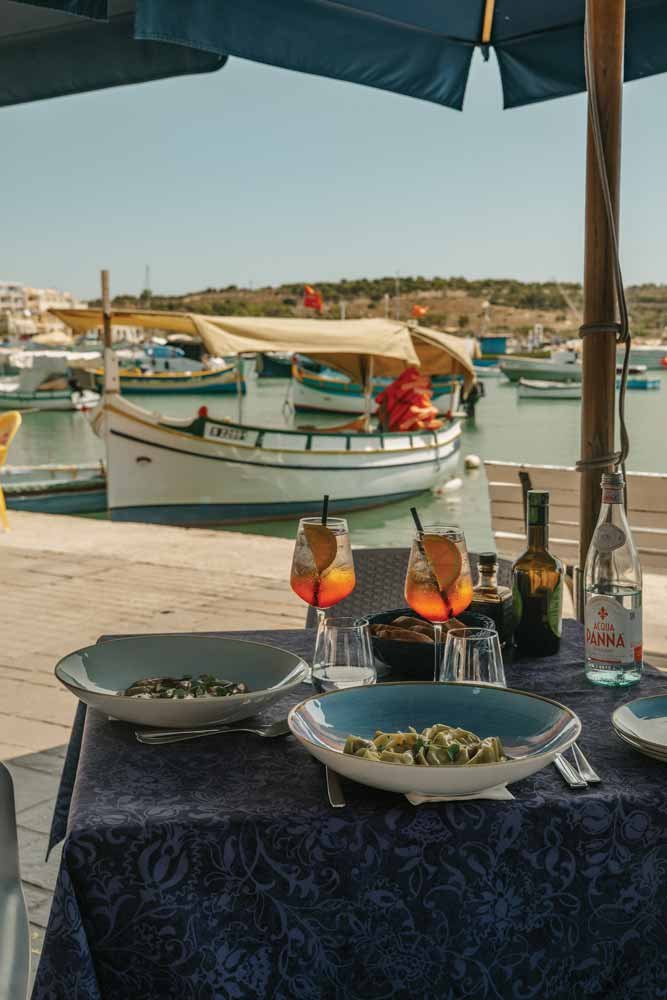
Fishing boats glide into port as the sun melts into the sea. Seafood lovers should wander down to Marsaxlokk (pronounced “Marsa-schlock”), where bobbing fishing boats frame the harbour, and a table at Tartarun delivers some of the freshest catch around. It’s Mediterranean living served one delicious plate at a time.
Beyond Valletta: Discovering the Three Cities
While Valletta dazzles with grand architecture, the Three Cities reveal Malta’s quieter charms. A short ferry ride delivers you to Birgu where medieval lanes wind past restored palazzos and intimate cafés. Its marina offers one of the most photogenic views of Valletta’s skyline.
Nearby Senglea boasts peaceful gardens with sweeping harbour panoramas, while Cospicua impresses visitors with its monumental defensive walls and neighbourhood bakeries.
Yet beyond the harbour towns, this small Mediterranean archipelago invites further exploration. Ferries whisk travellers to the greener island of Gozo, known for its slower pace and rural landscapes, or to tiny Comino where the famous Blue Lagoon glows in glittery turquoise.
History never feels distant. Many historic townhouses have been transformed into boutique hotels. Staying in one of these restored residences allows you to immerse in the island nation’s layered past.
Where empires once battled for control of the Mediterranean Sea, travellers now gather for something far simpler—sunlit history, soulful culture and unforgettable meals beside the sea.
Did You Know?
Delta Air Lines launches its first nonstop service between New York (JFK) and Malta International Airport starting on June 7, 2026, making Malta easier than ever for North American travellers to reach. The seasonal service will operate three times per week until October 23, 2026. delta.com/ca/en
Pro Tip
Follow the sound of marching drums into a harbour-side festa. Order a pastizzi pastry from a street vendor and watch the fireworks alongside local families.
Travel Planner
For more information, visit visitmalta.com