Skip to content

Table Talk
After Tequila + Mezcal
Is Sotol Poised to Become Mexico’s Next Big Drink?
by Mark Stachiew
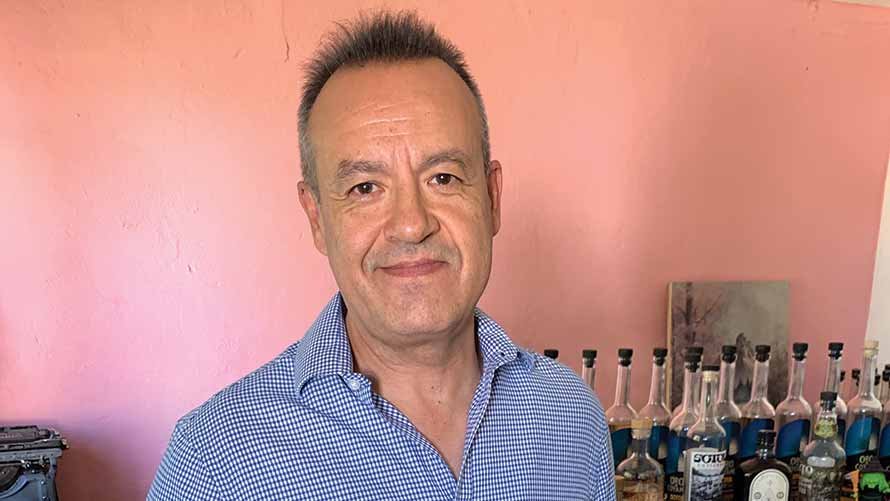
Tequila is famous worldwide and mezcal is having its moment. But another desert spirit from Mexico still flying under the radar is sotol, and Victor Ibarra intends to change that.
“For the last 13 years, I’ve been living in Manhattan, but I’m originally from Chihuahua,” he says, when about eight years ago, he decided to return and promote this little-known spirit making its comeback.
His sotol gospel campaign spread in 2019 when he helped found Oro de Coyame, an artisanal distillery near Chihuahua City. His efforts are paying off as interest in agave-adjacent spirits continues to grow.
On a sunny afternoon, Ibarra welcomes me with evangelical zeal for a drink rooted in the Chihuahuan Desert that was banned until 1994 and only gained protected status in 2002 under Mexico’s denomination of origin law.
Sotol is not tequila
“When I taste sotol, I taste the desert of Chihuahua,” he enthuses.
Unlike tequila and mezcal, which are made from agave, sotol is distilled from the heart (piña) of wild Dasylirion plants—spiky desert perennials often called desert spoon.
Depending on the growing conditions, the plants can take 10 to 20 years, sometimes longer to mature. That long growth cycle makes sustainability critical. Oro de Coyame operates a reforestation program that has already planted half a million young Dasylirion seedlings to ensure future supply.
An accidental discovery
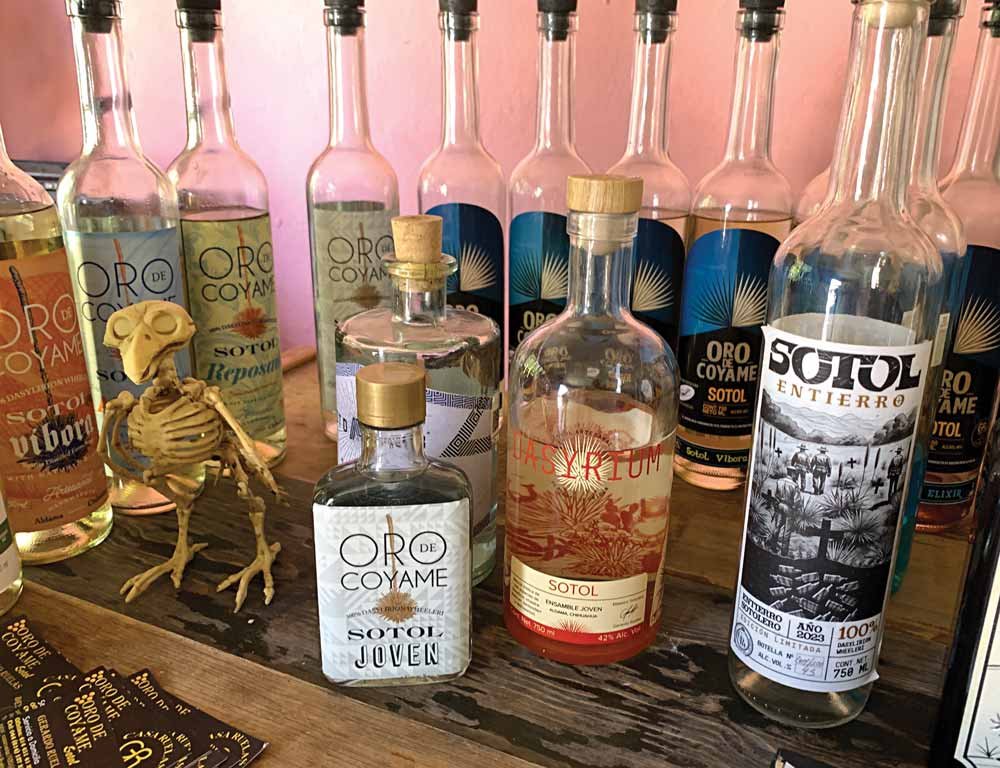
During U.S. prohibition (1920–1933), authorities on both sides of the border cracked down on unregulated alcohol production like sotol. Soteleros buried their illicit bottles underground to avoid confiscation, marking hiding spots with fake gravestones. The pleasant side effect is that the sotol was aged in an environment with constant temperature and no light, which enhanced its flavour.
Today, Oro de Coyame recreates that tradition with limited “entierro” editions aged underground.
My host put sotol production into perspective: Mexican distilleries produce as much as 600 million litres of tequila annually and another 10 million litres of mezcal. Sotol production, by comparison, is typically measured at only half a million litres.
A spirit of place
In the tasting room, Ibarra poured generously from several bottles. Each had distinct flavours, but the overall profile landed somewhere between mezcal’s smokiness and gin’s herbaceous brightness.
He hopes international drinkers will seek out bottles at specialty retailers, but insists the best introduction is on home soil.
Pro Tip
While many enjoy drinking sotol straight, most mixologists recommend using it in cocktails as a substitute for tequila, mezcal, vodka or gin.
Travel Planner
Plan your visit to Mexico’s largest state at visitachihuahua.mx/en