TRAVEL SLEUTH
Inside the Thermal Therapy Trend
From Iceland to Canada, travellers are turning to mineral-rich waters and saunas for restorative escapes
By Kateryna Topol
The experience of bathing is as old as human-kind. But even after we built bathtubs and elaborate showers, we continually search for opportunities that take us out of our homes and into hot water. Spa culture is at its peak with luxury hotels worldwide integrating thermal therapy into their offerings. The spa is a place you go to relax, but the truth is, hot water is not only good for the soul but for your overall body health.
Tradition as Old as Time
Passive heating practices, like saunas and baths, date back 10,000 years and have been in cultures for millennia, from Indigenous peoples of North America to the Ottoman Empire, including ancient Japan and across Nordic countries.
In Iceland, the benefits of a hot soak are well-documented, tracing back to when Vikings first arrived on the island. Icelandic thermal pools are a part of the community and a place where people come to socialize, much like pubs and cafés in other countries.
Benefits of Passive Heating
Passive heating, or thermal therapy, most commonly includes saunas and hot baths. In some parts of the world, the geothermal heated groundwater that rises from the earth’s crust creates naturally heated and mineral-rich water streams, which people have learned to channel into structured baths.
According to Skúli Mogensen, founder of Hvammsvík Hot Springs & Nature Resort in Iceland, this geothermal water is good for skin, heals sore muscles, helps with arthritis-related pain and sleep, and is “the best cure for hangovers.”
While the scientific studies on passive heating are still in their infancy, they have shown that both body and mind can benefit from immersion in hot water. When immersed in hot water, our bodies need to adjust to the change in pressure, which similarly to exercise results in greater cardiac output and lower resting pulse rate. These changes radiate through the system, triggering relaxation, reduced anxiety, and lower blood pressure.

Travel for a Hydrotherapy Oasis
No spa is the same in Iceland. Sky Lagoon, for example, is located near Reykjavík on the shores of the Atlantic Ocean. The infinity edge pool and black rock formations set an unearthly backdrop as visitors experience a seven-step healing ritual. skylagoon.com
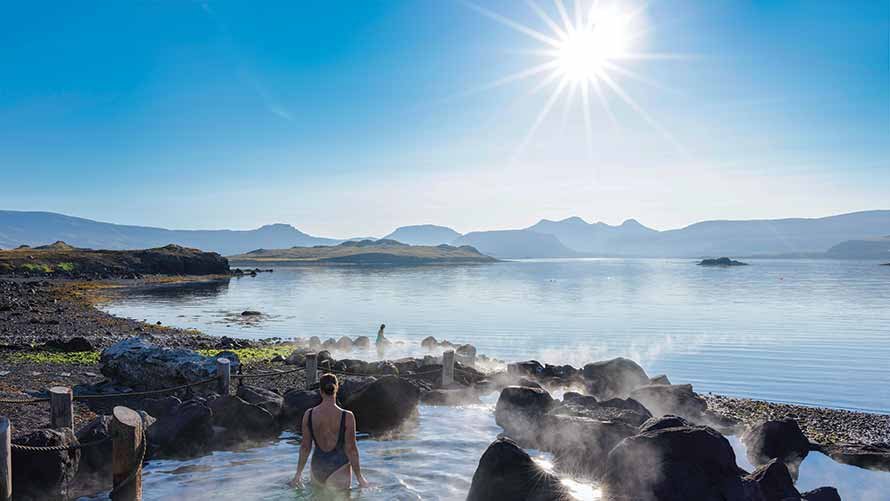
Hvammsvik Hot Springs, on the other hand, blends into the rural mountainous environment, both visually and physically, with one of the pools prone to submerging in ocean water. “When designing the springs, we were highly inspired by the Sagas and Icelandic history… from the natural look and feel of the springs to the geothermal steam room,” shared Skúli Mogensen. hvammsvik.com
In Germany, Baden-Baden has been synonymous with thermal therapy since Roman times. The water that feeds the 12 hot springs rises from deep layers of an extinct volcano, called Mercury. The two main thermal spas are Friedrichsbad and Caracalla Spa, spanning 5,000 square metres. Friedrichsbad Spa combines grand Roman bathing culture with Irish hot air baths across 17 stations of a 145-year-old Renaissance-style bathhouse. The thermal water in Baden-Baden contains over 3,000 dissolved minerals, setting the foundation for a full body regenerative experience. baden-baden.com
In Canada, more spas are opening with many hotels renovating their existing facilities (i.e. Fairmont Chateau Lake Louise), as boutique properties are incorporating spas. Hôtel & Spa Le Germain Charlevoix, Québec, has had one from day one. The spa sits on the edge of a farm, with Scottish cows adding melodic mooing to the ambience. germainhotels.com
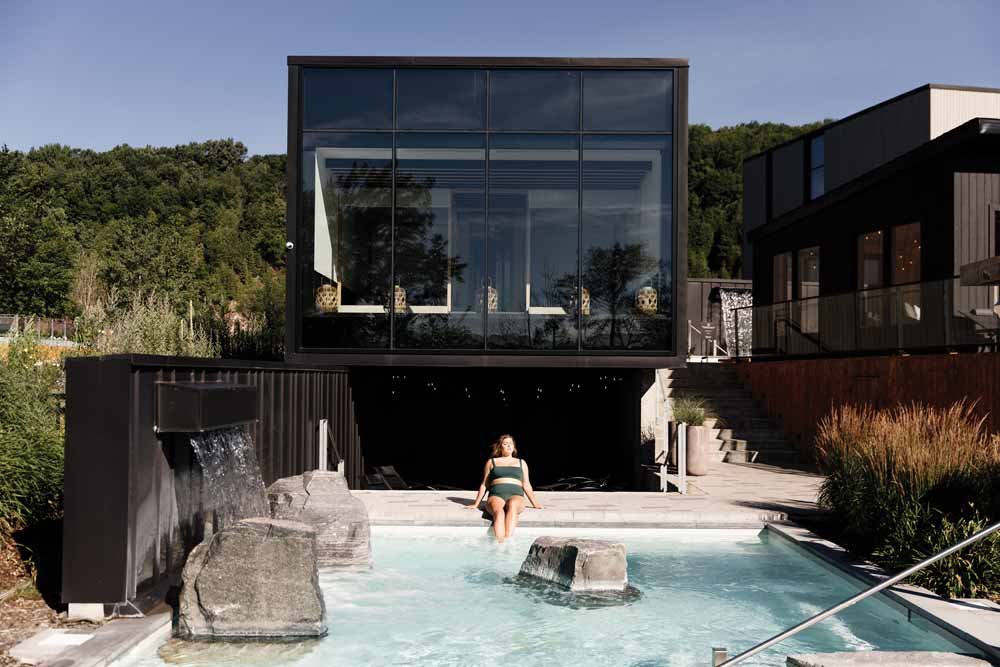
Many spas across the country are standalone properties in unique locations. Strøm Nordic Spa, for instance, has five locations, all set near urban centres like Québec City and Montréal. Every Strøm has multiple saunas, steam rooms, and hot pools, with most situated in serene nature. stromspa.com
Spa Etiquette
- Towels and robes are usually provided, but bring your own sandals.
- Pack a few extra essentials: hair ties, sunglasses, sun protection or a cozy hat
- In a dry sauna, place a towel on the bench for hygiene and to protect the wood.
- Read the spa’s FAQs in advance to ensure you’re properly prepared for your visit.